
General Health Questionnaire: What You're Missing
🤖 AI disclosure: AI was used to assist in drafting this article. A human reviewed the final content. 👤✅
General Health Questionnaire: The Essential Tool for Understanding Your Health Before Small Issues Become Big Ones
A general health questionnaire is often the first and most valuable step toward gaining a complete picture of your physical and mental well-being. If you've ever felt frustrated by unexplained symptoms, inconsistent energy levels, or uncertainty about your overall health, you're not alone. The good news is that asking the right questions before seeking treatment can reveal meaningful patterns, help healthcare professionals make better decisions, and empower you to take greater control of your wellness.
Many people wait until symptoms become impossible to ignore before evaluating their health. By then, lifestyle habits, overlooked warning signs, and incomplete medical information may have already complicated the situation. Fortunately, a well-designed general health questionnaire helps organize essential information, making it easier to identify risks, monitor changes, and support informed healthcare decisions.
What Is a General Health Questionnaire?
A general health questionnaire is a structured set of questions designed to evaluate a person's overall health status. Healthcare providers, employers, wellness programs, insurance companies, and researchers commonly use these questionnaires to collect consistent health-related information.
A comprehensive questionnaire typically covers:
Personal medical history
Family health history
Current medications
Allergies
Lifestyle habits
Nutrition
Physical activity
Sleep quality
Mental health
Stress levels
Tobacco and alcohol use
Existing medical conditions
Recent symptoms
Rather than replacing a medical examination, it serves as an important starting point for identifying areas that may deserve closer attention.
Why a General Health Questionnaire Matters
It Creates a Complete Health Snapshot
Many illnesses develop gradually. People often dismiss subtle symptoms such as fatigue, poor sleep, headaches, digestive discomfort, or mood changes because they seem unrelated.
When documented together, however, these details frequently reveal patterns that might otherwise remain hidden.
Instead of relying on memory during a medical appointment, a completed questionnaire provides healthcare professionals with organized, accurate information.
It Improves Medical Decision-Making
Doctors make better recommendations when they understand your health history.
Accurate responses may influence:
Laboratory testing
Preventive screenings
Medication choices
Lifestyle recommendations
Specialist referrals
Follow-up care
Incomplete information increases the likelihood of overlooking important risk factors.
It Encourages Preventive Healthcare
Prevention is far more effective than reacting after disease develops.
Regularly completing a health assessment can identify risks for:
High blood pressure
Diabetes
Heart disease
Obesity
Depression
Anxiety
Sleep disorders
Nutritional deficiencies
Recognizing these risks early often leads to better long-term outcomes.
What Questions Are Usually Included?
A high-quality general health questionnaire gathers information from several important categories.
Personal Information
Basic demographic information may include:
Age
Height
Weight
Occupation
Contact information
These details provide context for interpreting health risks.
Medical History
Questions often ask whether you have experienced:
High blood pressure
Heart disease
Asthma
Cancer
Thyroid disorders
Arthritis
Diabetes
Kidney disease
Liver disease
Previous surgeries and hospitalizations are typically included as well.
Family Medical History
Genetics can significantly influence future health risks.
Common questions involve close relatives with:
Heart disease
Stroke
Diabetes
Cancer
High cholesterol
Mental illness
Autoimmune disorders
Knowing family history allows healthcare providers to recommend earlier screenings when appropriate.
Lifestyle Habits
Daily behaviors have a tremendous impact on long-term health.
Typical questions include:
Physical Activity
How many days do you exercise?
What type of exercise do you perform?
How active is your job?
Nutrition
How many fruits and vegetables do you eat daily?
How often do you consume processed foods?
Do you drink enough water?
Sleep
Average hours of sleep
Difficulty falling asleep
Sleep interruptions
Daytime fatigue
Mental and Emotional Well-Being
Mental health affects physical health more than many people realize.
Questionnaires may ask about:
Stress
Anxiety
Depression
Mood changes
Emotional resilience
Concentration
Social support
These questions help identify concerns that deserve professional attention.
General Health Questionnaire Benefits Beyond the Doctor's Office
Many organizations now use health questionnaires for additional purposes.
Examples include:
Workplace wellness programs
Fitness assessments
University health services
Insurance evaluations
Clinical research
Preventive health screenings
Standardized questionnaires provide consistent data while encouraging individuals to become more aware of their overall health.
Frequently Asked Questions
What is the purpose of a general health questionnaire?
A general health questionnaire gathers essential medical, lifestyle, and wellness information to help identify health risks, support clinical decisions, and establish a baseline for future care.
How often should you complete one?
Most adults benefit from updating their questionnaire annually or whenever significant health changes occur, such as new diagnoses, medications, surgeries, or lifestyle changes.
Can it diagnose medical conditions?
No.
A questionnaire alone cannot diagnose disease. It simply identifies information that may require further medical evaluation.
Is the information confidential?
Healthcare providers generally treat questionnaire responses as part of your confidential medical record, following applicable privacy regulations.
Common Mistakes People Make
Many individuals unintentionally reduce the usefulness of their questionnaire by making avoidable mistakes.
These include:
Guessing Instead of Being Accurate
If you are unsure about medications, family history, or previous diagnoses, verify the information whenever possible.
Omitting Lifestyle Habits
Skipping questions about smoking, alcohol, exercise, or nutrition limits the overall assessment.
Healthcare providers need honest information—not perfect lifestyles.
Ignoring Mental Health Questions
Emotional well-being is closely connected with physical health.
Accurate responses help ensure appropriate support when needed.
Forgetting Over-the-Counter Supplements
Many vitamins, herbal supplements, and non-prescription medications can interact with prescription drugs.
Include everything you regularly take.
How to Get the Most Value from a General Health Questionnaire
Completing the questionnaire thoughtfully can make healthcare visits more productive.
Consider these best practices:
Review Your Medical Records
Having dates of surgeries, diagnoses, vaccinations, and medications improves accuracy.
Gather Family Health Information
Speaking with close relatives may uncover inherited health conditions you were previously unaware of.
Track Symptoms Before Completing It
Keeping a simple health journal for several weeks often reveals patterns involving:
Energy
Sleep
Digestion
Pain
Mood
Exercise tolerance
Update It Regularly
Health changes over time.
Treat your questionnaire as a living document rather than something completed only once.
Supporting Digital Health Records
Modern healthcare increasingly integrates questionnaires into electronic health records.
This offers several advantages:
Faster appointment preparation
Improved communication between specialists
More personalized care
Better long-term health monitoring
Reduced duplication of medical history
Many patient portals now allow individuals to update portions of their health questionnaire before appointments, making visits more efficient.
Final Thoughts
A general health questionnaire is far more than a collection of routine questions—it is a practical roadmap for understanding your current health, recognizing potential risks early, and supporting more informed conversations with healthcare professionals. By completing it honestly, updating it regularly, and using it as part of a broader preventive care strategy, you create a stronger foundation for long-term well-being. If you're ready to take a more proactive approach to your health, start by reviewing your current health information today, compare it with previous assessments, and use those insights to ask better questions at your next medical appointment. Small, consistent actions now can lead to healthier outcomes for years to come.
Ready to Take Control of Your Health?
Your answers today could uncover the clues your body has been trying to tell you all along. Don't leave your well-being to guesswork or wait until small concerns become bigger challenges. Discover practical health insights, expert-backed wellness strategies, and simple steps you can start using right away.
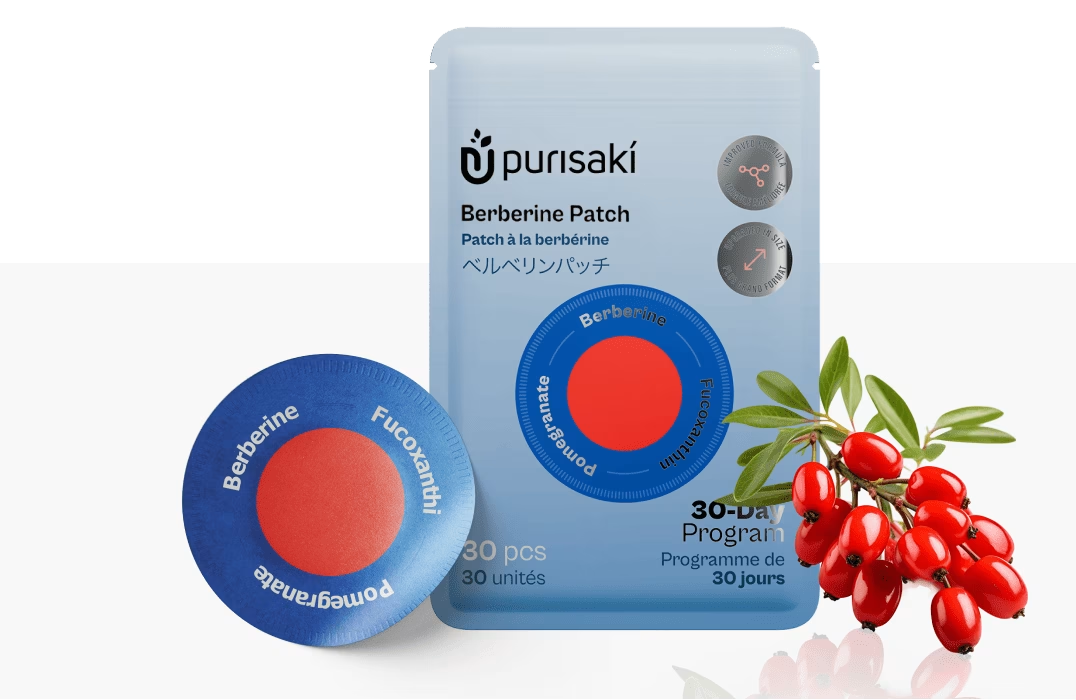
Ready to take the next step? Explore the Berberine Wellness Patch and see how it fits your busy routine.
Roberto Monasterio/Nutra affiliate:
+52 - 55 - 5247-3184
Purisaki
This is what I'm using:
Created with ©systeme.io